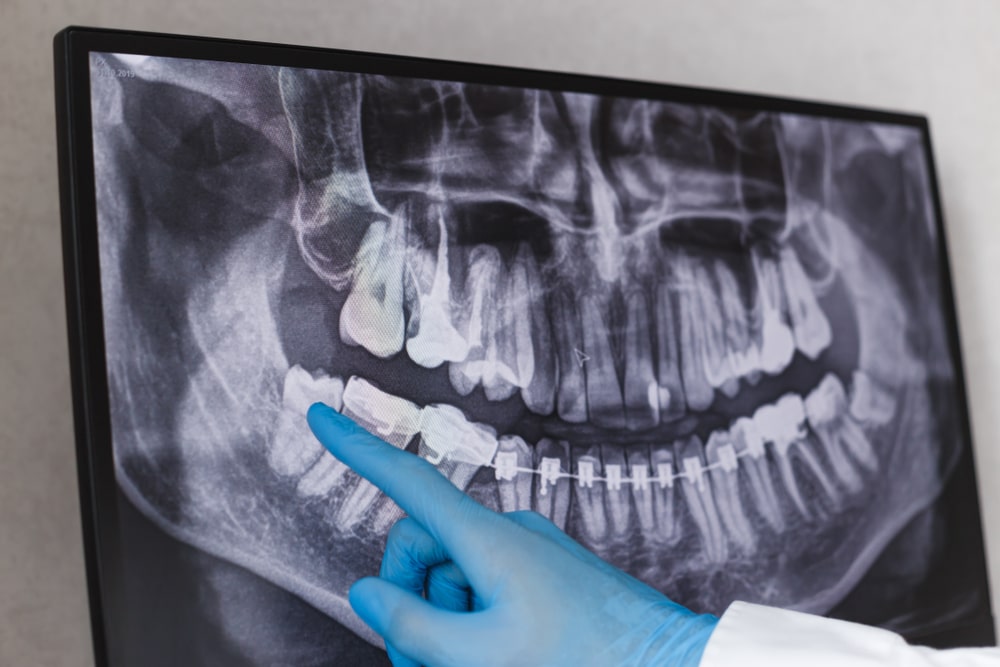
Wisdom teeth were once useful to our ancestors, such as great apes and early humans, because their diet consisted of raw meats and tough foods that required intense chewing. With human evolution and modern lifestyles, wisdom teeth are no longer truly necessary. For this reason, many people do not have enough space in their jaws for this third set of molars to grow properly. As a result, wisdom teeth removal is often recommended and is a common dental surgery.
Below, we answer three questions that patients frequently ask about wisdom teeth and their extraction.
What Problems Are Associated with Wisdom Teeth?
Wisdom tooth removal is often done for preventive reasons. To determine whether it is necessary, a dentist must perform an examination and use dental X-rays to reveal the position of the wisdom teeth, even if they are still under the gums.
Wisdom teeth are generally classified into three categories based on their level of eruption:
Normal Eruption
The wisdom teeth erupt normally and are properly aligned on the dental arch.
Semi-Impacted Teeth
The teeth have erupted only partially, meaning part of the crown remains covered by the gum. They are often poorly positioned and difficult to clean properly, making them more prone to cavities. They also carry a higher risk of gum or bone infection, inflammation of the tissues around the tooth (pericoronitis), or infections of the facial soft tissues.
Impacted Teeth
The teeth remain completely under the gum. In some cases, they grow at an incorrect angle and exert pressure on the neighboring molar, potentially causing significant damage. Their presence is also associated with a higher risk of cyst or tumor formation.
As you may have guessed, partially erupted or impacted wisdom teeth carry the greatest risk of complications. Preventive extraction is therefore recommended to avoid infections and protect the integrity of the rest of the teeth.
Why Are They Often Removed at the End of Adolescence?
Late adolescence and early adulthood are generally the ideal times to remove wisdom teeth. At this age, the jawbone is still more flexible and the roots of the wisdom teeth are not fully formed. This makes surgery easier to perform, promotes better healing, and helps reduce postoperative discomfort.
Should You Be Afraid of Wisdom Tooth Surgery?
We understand that wisdom tooth extraction may cause anxiety for some patients. However, it is a routine dental surgery designed to protect your oral health.
At the Centre Dentaire de Haute Technologie du Québec, our dentists are qualified in surgery, particularly for wisdom tooth removal, including Dr. Joëlle Marcil. She will help you feel comfortable and prepare for the procedure, planning every detail of the surgery with precision. The procedure is always performed under local anesthesia to prevent pain during treatment.
Our team will also provide postoperative instructions to help you adopt the right habits for healing and manage any postoperative symptoms.
For wisdom tooth extraction in the Plateau Mont-Royal area, feel free to contact our caring team!