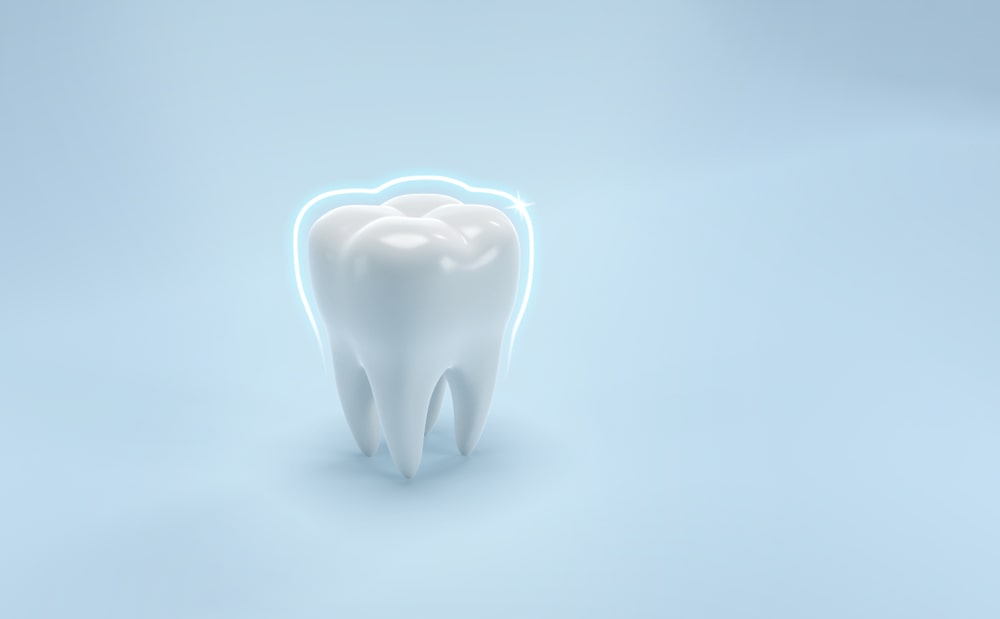
Have you ever heard about the enamel on your teeth? Maybe your dentist has already talked to you about enamel erosion. To help you better understand dental enamel, its role, and the potential risks that can affect it, our team has prepared this short article.
The Role of Dental Enamel
Let us begin with the role of enamel. It is the outer layer of the dentition. Enamel is naturally white and extremely hard. In fact, did you know that dental enamel is the hardest substance in the entire human body? It is even harder than bone.
Because of its hardness, the primary function of enamel is to protect the dentition from bacteria and from stimuli that could cause sensitivity. Enamel shields the inner layers of the teeth, which are dentin and pulp.
Dentin is the central layer of the tooth and is composed of thousands of tiny tubules that communicate directly with the pulp, where the nerve is located. Without the protection of enamel, stimuli such as cold, heat, sugar or acids would directly reach the dentin tubules. This would send pain signals from the dental nerve to the brain, resulting in significant tooth sensitivity.
Enamel also blocks the acids produced by the bacteria in the mouth when they feed on sugary foods. Strong and healthy enamel therefore protects the teeth against cavities.
Enamel Is Not Indestructible
Despite its impressive hardness, enamel is not indestructible. It is at risk of erosion, meaning it can wear down because of certain habits or due to frequent consumption of sugary or acidic foods and drinks.
When enamel is repeatedly or continuously exposed to a high level of acidity, it begins to lose minerals. Over time, this can cause the enamel to thin. A thinner enamel layer is less effective at protecting the teeth from bacteria that cause cavities.
Weakened enamel is also more vulnerable to damage such as cracks and fractures. Finally, thinning enamel exposes the dentin, increasing the risk of dentin hypersensitivity due to exposed dentin tubules.
In addition to these oral health consequences, enamel erosion can also cause cosmetic concerns such as tooth yellowing. This happens because the dentin becomes more visible, and dentin naturally has a more yellow color.
How to Protect Your Enamel
Given the importance of enamel, it is crucial to protect it. Here are some key strategies to preserve enamel and prevent erosion:
- Use a soft-bristle toothbrush: A toothbrush with bristles that are too hard may, over time, contribute to premature enamel wear.
- Choose a toothpaste designed for enamel: Some toothpastes contain active ingredients that help preserve enamel by supporting its remineralization. Your hygienist can recommend the right product for your needs.
- Follow a balanced diet: Limit acidic foods and drinks such as coffee, alcohol, citrus fruits and tomato-based products. Sugary foods should also be consumed in moderation, since bacteria feed on sugar and then produce acids that attack the enamel.
- Maintain regular dental checkups: Routine visits help detect and treat oral conditions early. For example, teeth grinding can cause major damage to the dentition. Early diagnosis is important to properly manage this issue.
In cases of worn enamel, treatments such as fluoride varnish can be recommended to support enamel remineralization.