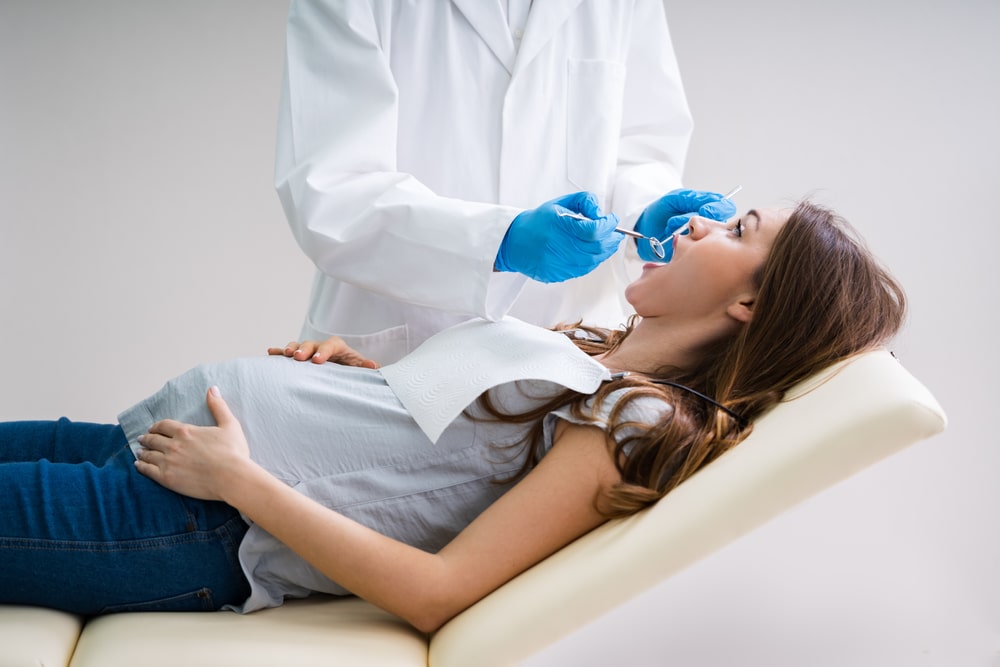
Are you pregnant? Congratulations. You likely have many things to plan to prepare for your baby’s arrival. A dental checkup early in your pregnancy should be part of that list. The team at the Centre Dentaire de Haute Technologie du Québec explains why and shares important tips to help maintain good oral health during pregnancy.
Risks of Oral Health Problems Associated with Pregnancy
Pregnancy brings many changes to the body. In addition to physical changes, there are hormonal fluctuations. Pregnant women also commonly experience cravings, especially for sugary foods. Nausea and frequent vomiting are also common during early pregnancy. Remember that vomit is very acidic.
These factors expose pregnant women to two main oral health risks:
-
Pregnancy gingivitis: hormonal changes make the gums and oral tissues more vulnerable to toxins produced by bacteria. It is estimated that about half of pregnant women will develop gingivitis during pregnancy. It usually appears after the first trimester and causes redness, slight swelling of the gums, and bleeding during daily brushing and flossing.
-
Dental cavities: frequent cravings lead to repeated contact between teeth and sugary food debris that bacteria feed on. In addition, frequent vomiting creates a very acidic oral environment that can damage tooth enamel. This combination increases the risk of developing cavities during pregnancy.
Gum Disease During Pregnancy: It Must Be Prevented
Because pregnant women are more prone to gingivitis, it is important not to neglect this aspect of oral health during pregnancy. Gingivitis is usually easy to treat with a professional dental cleaning and proper daily hygiene habits such as brushing and flossing. However, gingivitis can progress and spread to the tissues that support the teeth. This leads to periodontitis, a serious infection that can greatly affect oral health.
Studies have also shown that gum disease during pregnancy is associated with a higher risk of premature birth. Bacteria responsible for gum disease can enter the bloodstream and travel to other parts of the body, including the placenta. They can stimulate the production of a hormone that triggers labor. Gum disease is also linked to a higher risk of pregnancy-related high blood pressure.
For the health of both the mother and the baby, it is important to prevent gum disease and treat it quickly during pregnancy.
Important Tips to Remember
Here are some useful tips for pregnant women to help prevent the oral health problems discussed above and avoid complications:
-
Visit your dentist early in pregnancy: a dental appointment is recommended during the first trimester. This allows the hygienist to perform a professional cleaning and the dentist to complete a full examination. Appropriate care can then be provided if needed, and good oral health can be maintained throughout the pregnancy, especially to prevent gingivitis.
-
Adopt good oral hygiene habits: brush your teeth after each meal, after cravings, and before bedtime. Do not forget to floss daily during pregnancy. It is essential to prevent gum disease.
-
Monitor your diet: control cravings and avoid sugary snacks throughout the day. After meals and snacks, drink a large glass of water to rinse your mouth, and brush your teeth 30 minutes later.
-
If you experience nausea and vomiting: rinse your mouth after vomiting to help neutralize the acid. Brush your teeth 30 minutes later to allow time for your mouth’s pH to balance again.
Schedule an appointment with our team if you are pregnant. We will provide all the care and guidance needed to help you maintain a healthy and beautiful smile.