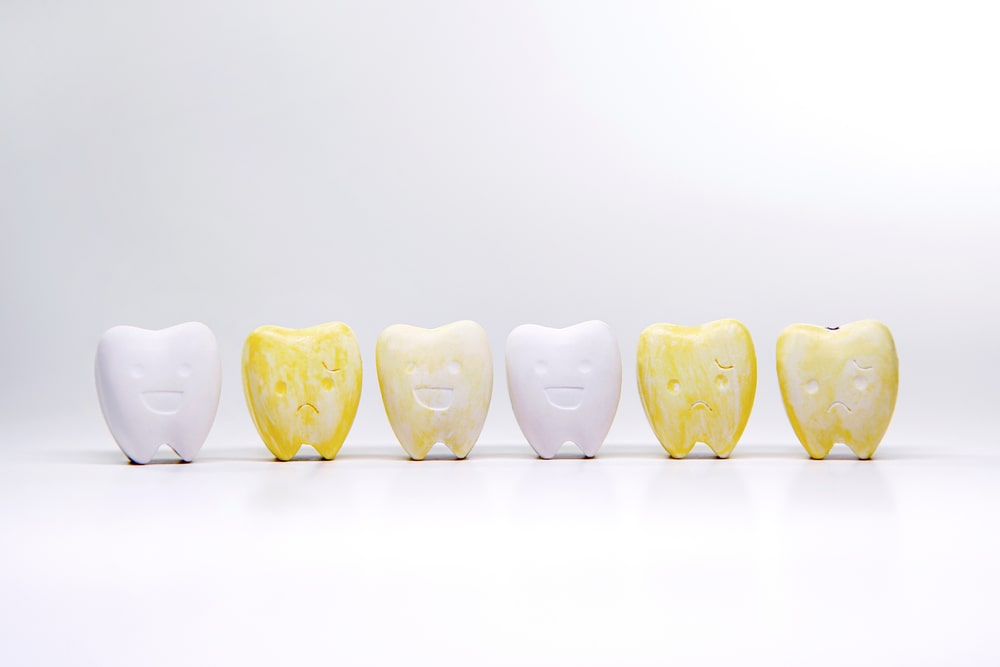
You have probably heard about tartar, whether from your dental hygienist during a routine appointment or in toothpaste commercials on television. Tartar is a hardened bacterial deposit that can contribute to the development of oral diseases. To understand the risks, it is important to understand how and why tartar forms on the teeth. In this article, we also highlight an important preventive treatment: scaling.
Why Does Tartar Form?
Tartar is a calcified, very hard version of dental plaque. Plaque, also called biofilm, forms on the teeth and all dental surfaces. It is made up of saliva, food debris, and bacteria. No matter who we are or how good our oral hygiene is, plaque always forms in the mouth. Fortunately, with proper brushing and daily use of dental floss, plaque can be removed.
Problems arise when plaque is not removed effectively on a daily basis. When plaque comes into contact with the minerals in saliva, it calcifies. It becomes a very hard, yellowish deposit: tartar.
What Are the Risks Associated With Tartar?
Tartar is very hard and porous. It adheres strongly to the surfaces of the teeth, making it impossible to remove at home with normal brushing. It often forms at the base of the teeth, just below the gum line.
Tartar buildup has several consequences for oral health. Here are the main risks:
- Tartar on dental surfaces increases the risk of cavities
- Tartar under the gum line greatly increases the risk of gum disease and periodontal disease (gingivitis and periodontitis)
- Because of its color, tartar gives the teeth a yellow appearance and reduces the brightness of the smile
Scaling: A Necessary Treatment
As mentioned earlier, tartar buildup is firmly attached to the teeth. It can only be removed by your dental hygienist during routine dental visits. These visits include a professional cleaning as well as scaling.
To do this, the hygienist uses a small metal instrument called a curette to scrape away the tartar. Ultrasonic instruments may also be used when buildup is significant. Regular scaling helps prevent tartar accumulation and reduces the risk of various diseases, including gum disease.
Getting regular scaling and protecting the health of your teeth and entire mouth is another excellent reason to visit your dentist and dental team regularly.