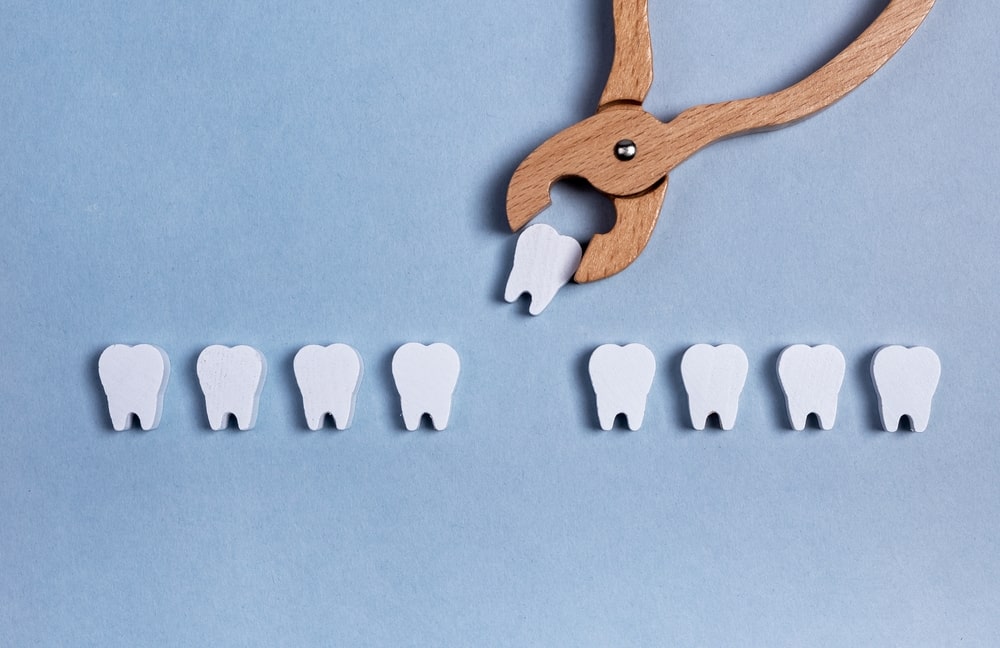
Dental Extractions: What You Need to Know
We understand that the idea of a dental extraction can raise questions or concerns. This article is designed to help clarify this common procedure. Our dentists at the Plateau Mont-Royal Clinic answer the most frequently asked questions about dental extractions.
What Is a Dental Extraction?
A dental extraction is a common surgical procedure during which a dentist removes a tooth from its socket. This intervention may be necessary for various reasons, including oral health issues or problematic wisdom teeth.
When Is a Dental Extraction Recommended?
Dental extractions may be recommended in several situations, such as:
-
A damaged or infected tooth: When a tooth is severely affected by decay or infection and cannot be preserved with restorative treatment, extraction may be necessary to prevent further complications.
-
Wisdom teeth: When wisdom teeth are poorly positioned, partially erupted, or fully impacted under the gums, they can cause pain, infection, or other issues. In these cases, extraction is often recommended for preventive or corrective reasons.
-
Orthodontic treatment: In some situations, removing one or more teeth is necessary to create enough space for proper alignment during orthodontic treatment.
Is a Dental Extraction Painful?
Dental extractions are performed under local anesthesia, which numbs the area around the tooth to minimize discomfort during the procedure. The dentists at the Centre Dentaire de Haute Technologie du Québec are experienced in pain management and take every measure to ensure patient comfort.
Advanced technologies are also used to plan procedures with great precision. After the extraction, some sensitivity or discomfort is normal, but it can usually be managed effectively with prescribed medication and proper aftercare.
How to Ensure a Smooth Recovery
A smooth recovery after a dental extraction depends on following a few essential recommendations:
- Follow your dentist’s instructions: Carefully adhere to guidelines regarding medication, home care, and dietary restrictions.
- Keep the area clean: Avoid brushing or rinsing the extraction site during the first few hours, then follow your dentist’s specific hygiene instructions.
- Choose appropriate foods: Eat soft, cool foods during the first few days to avoid irritating the extraction area.
- Avoid strenuous activities: Refrain from intense physical activity for at least 48 hours to support proper healing.
Should Missing Teeth Be Replaced?
Yes — with the exception of wisdom teeth, missing teeth should always be replaced. Tooth loss can affect chewing, speech, and overall oral health. Empty spaces may contribute to periodontal disease, bone loss in the jaw, and long-term changes in facial structure.
Your dentist can recommend the most suitable replacement option for your situation, such as dental implants, bridges, or dentures.
Your Comfort and Oral Health Come First
At the Centre Dentaire de Haute Technologie du Québec, our dentists rely on advanced technologies to plan and perform dental extractions with precision and care. If you have any questions or concerns, do not hesitate to contact us. Your oral health is our priority, and we are here to support you every step of the way.