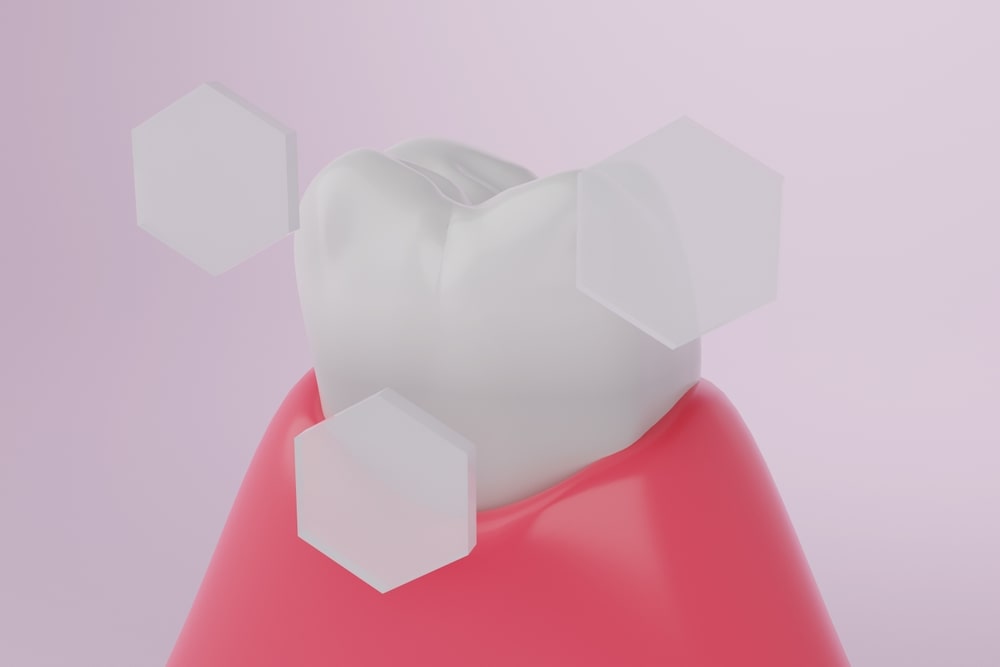
Do you know what dental enamel is? This outer protective layer of the teeth is actually the hardest substance in the entire human body. Despite this, enamel can wear down over time and lose its ability to protect the teeth against harmful bacteria in the mouth. In this article, our dentists at the Plateau Mont-Royal clinic take a closer look at enamel erosion and its causes.
Why Does Enamel Wear Down?
Enamel erosion is the term used to describe the wearing away of the outer layer of the teeth. Enamel is made up almost entirely of minerals, more than 95 percent, mainly calcium, phosphorus, and potassium, along with other minerals. Dull gray-white in color, enamel is the part of the tooth normally visible when you smile. It is considered a dental structure, not a tissue, because it is neither innervated nor vascularized.
Unfortunately, despite its hardness and resistance, enamel can wear down. It cannot regenerate like other structures in the body. Enamel erosion is often the result of a combination of factors.
What Factors Are Responsible?
- Aging: with time, enamel naturally becomes thinner and loses some of its protective abilities.
- Brushing too aggressively: brushing with too much force, using the wrong technique or brushing excessively can contribute to enamel wear.
- Using a hard bristle toothbrush: the same applies to toothbrushes with bristles that are too stiff.
- Acidic diet: a diet rich in acidic foods and beverages exposes enamel to high acidity levels, which contributes to progressive wear over time.
- Bruxism: uncontrolled grinding of the teeth, especially during sleep, can significantly damage enamel and other dental structures.
What Are the Consequences of Enamel Wear?
First, worn enamel becomes less resistant to bacterial attacks that can lead to cavities. This means the risk of developing tooth decay increases.
Next, when enamel becomes thinner, it gradually exposes the underlying layer called dentin. Less dense and less resistant, dentin contains thousands of tiny tubules that lead directly to the dental pulp. The pulp is the inner part of the tooth that contains soft tissues, including the dental nerve. External stimuli from food and beverages can pass through the tubules and reach the pulp. The nerve then sends pain signals to the brain, resulting in a common condition known as dentin hypersensitivity.
Finally, if enamel becomes severely worn, the teeth can become more vulnerable to fractures and cracks. For example, this can happen when biting into very hard foods or using the teeth to open packaging.
By adjusting your diet to limit acidic foods and by improving your daily oral hygiene routine, especially with a proper brushing technique, it is possible to reduce enamel erosion. If you are concerned about the wear of this important part of your dentition, do not hesitate to discuss it with your dental care team during your next visit.