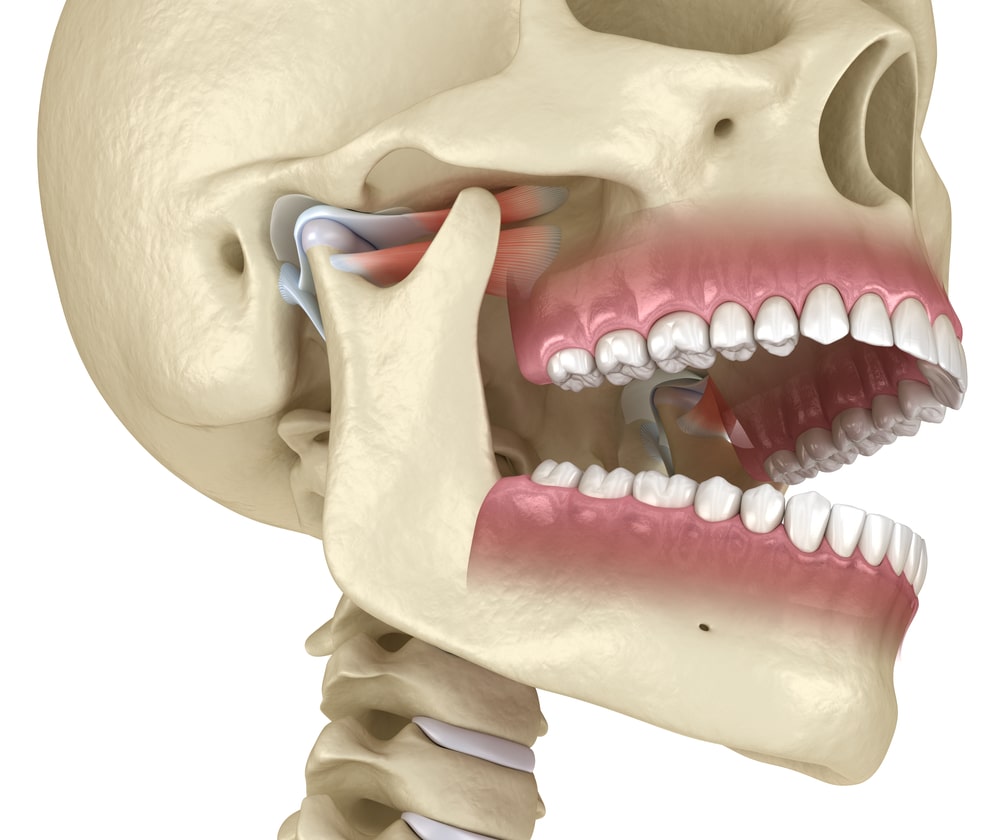
Dental occlusion—the way the upper and lower teeth come together when the mouth closes—plays a fundamental role in overall health. Far beyond aesthetics, proper occlusion can significantly influence daily well-being. Malocclusion, or improper alignment of the teeth, may contribute to recurring headaches, sleep disturbances, and neck pain.
In this article, our dentists in Montréal explain why dental occlusion is so important and how it can impact your general health.
What Is Dental Occlusion and How Does It Affect Daily Life?
Dental occlusion refers to the alignment and contact between the upper and lower teeth when the mouth is closed. An optimal occlusion allows for efficient chewing and distributes pressure evenly across the teeth and jaws.
Proper occlusion also protects the temporomandibular joints (TMJ), which are essential for jaw movement. When the bite is well balanced, unnecessary strain on these joints and surrounding muscles is minimized.
Conversely, malocclusion can create jaw imbalances that lead to muscle tension in the head, neck, and even the back. Beyond smile appearance, dental occlusion is therefore a key factor in maintaining physical comfort and preventing chronic pain.
The Influence of Occlusion on Headaches
Headaches have many possible causes, but dental occlusion is often overlooked. When teeth do not align properly, excessive tension can build up in the jaw and temple muscles, leading to frequent or persistent headaches.
Occlusal headaches are commonly linked to overloading of the temporomandibular joints. These joints become pressure points when malocclusion is present, and the resulting tension may radiate toward the skull. Correcting tooth alignment and improving occlusion can significantly reduce—or even eliminate—this type of headache.
Effects of Occlusion on Sleep Quality
The relationship between dental occlusion and sleep is particularly important for individuals experiencing nighttime disorders such as bruxism (teeth grinding or clenching during sleep). Poor occlusion can increase the likelihood of involuntary grinding, which not only damages teeth but also disrupts restful sleep.
Additionally, improper jaw positioning may partially obstruct the airways, making breathing more difficult during sleep. In some cases, patients with sleep apnea—characterized by repeated pauses in breathing—may see improvement following occlusal correction.
Orthodontic treatments or specialized dental appliances can help realign the jaws, reduce grinding, and promote better airflow, contributing to improved sleep quality.
Neck Pain and Muscle Tension
Neck pain is another frequent symptom associated with malocclusion. When the bite is unbalanced, the resulting misalignment can affect the muscles of the neck and shoulders. These muscles may become overworked as they attempt to compensate, leading to stiffness, tension, and discomfort.
This chain reaction can extend from the jaw to the shoulders and, in some cases, even the upper back. Patients experiencing persistent neck pain or muscle tension should consider a dental evaluation to determine whether malocclusion is a contributing factor.
Solutions to Optimize Occlusion and Prevent Pain
A comprehensive dental examination can identify occlusal imbalances and guide the appropriate treatment plan. Depending on the severity and nature of the malocclusion, several solutions may be recommended:
- Orthodontics: Treatments such as Invisalign or traditional braces can realign teeth and improve occlusion.
- Occlusal splints: Night guards help reduce pressure on the jaw for patients who clench or grind their teeth.
- Functional rehabilitation: Physical therapy can help release muscle tension and restore proper muscular balance.
- Dental restorations: In some cases, crowns or other restorations are necessary to rebalance the bite.
Occlusion: A Key Element of Overall Well-Being
The importance of dental occlusion extends far beyond the appearance of your smile. Proper occlusion is essential for comfort, function, and overall quality of life.
If you experience recurring headaches, sleep disturbances, or neck pain, a consultation with a dentist at the Centre Dentaire de Haute Technologie du Québec may help identify the underlying cause and provide personalized solutions. Investing in proper dental occlusion is an investment in long-term health and well-being.