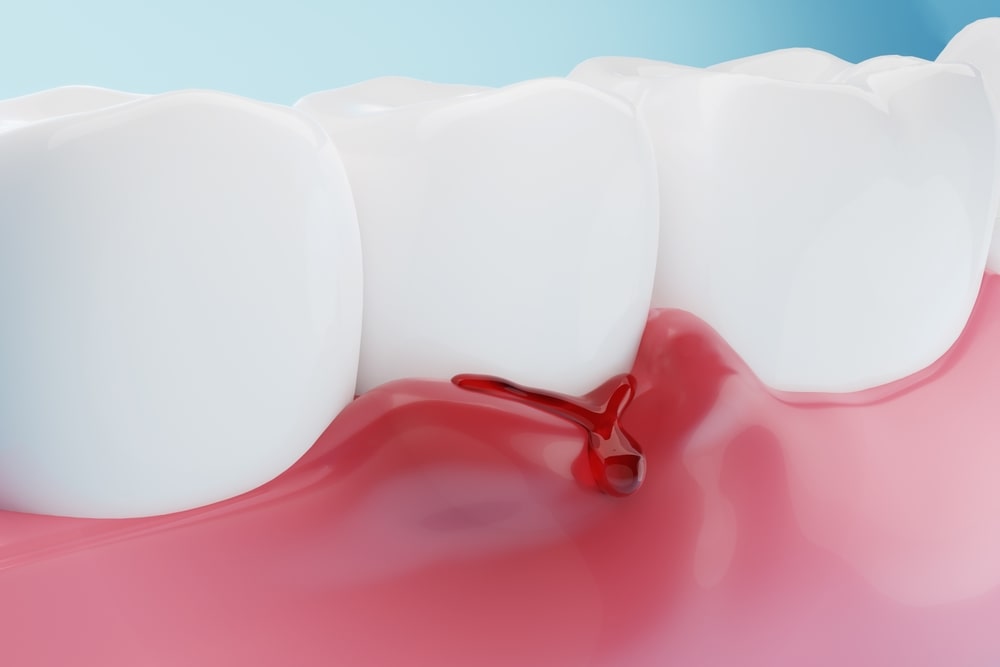
Do your gums bleed when you brush your teeth or floss? Are you wondering whether this bleeding is normal? Because our patients often ask questions about bleeding gums, our dentists in Montreal have prepared this article to help clarify the situation.
Why Are My Gums Bleeding?
Even though bleeding gums are common, they are not a harmless symptom. In fact, they are often one of the first signs that gum disease is beginning to develop. At this early stage, the condition is called gingivitis, which is inflammation of the gums. You may notice that the gum tissue looks slightly swollen around the teeth and has a redder appearance than usual. Healthy gums should look pale pink. Another common symptom of gingivitis is, as you guessed, bleeding gums. This happens most often during flossing, but it may also occur while brushing.
What Causes Gum Disease to Develop?
Gingivitis is often the result of poor oral hygiene, whether incomplete or insufficient. For example, people who never floss are more at risk of gingivitis, because flossing helps prevent tartar buildup under the gum line. Tartar is a hard, yellowish deposit of calcified bacteria. It forms when dental plaque is not removed properly every day and eventually hardens. The presence of tartar at the base of the teeth and beneath the gums will then trigger inflammation, leading to gingivitis.
Several other factors, beyond oral hygiene, can increase the risk of developing gum disease. Here are a few examples:
- Smoking and high alcohol consumption, as both are very irritating substances
- Pregnancy, due to hormonal changes that increase gum sensitivity
- Certain medications, since many cause dry mouth as a side effect, which increases the risk of gum and periodontal disease
- Aging, as the immune system becomes less effective over time
- Certain poorly controlled diseases, such as diabetes or HIV
How Can I Manage Bleeding Gums?
First, there is no need to panic. We recommend adopting excellent oral hygiene habits at home and making lifestyle choices that support the health of your gums and your entire mouth. Then, pay close attention to whether symptoms improve. Do the gums bleed less over time or even stop bleeding altogether? If so, keep up the good work as you are on the right path to improving your gum health.
If the bleeding persists after about 10 to 14 days, this suggests gingivitis is more established. It is important to see your dentist. A professional cleaning at the clinic, including the removal of all tartar buildup, often succeeds in reversing gingivitis.
The objective is to prevent this mild gum disease from progressing and allowing bacteria to spread into the supporting tissues of the teeth, which would lead to periodontitis. This more advanced infection affects the tissues anchoring the teeth and can cause tooth loss. Yes, gum disease is the leading cause of missing teeth among Canadian adults.
Do not ignore bleeding gums if they occur. Adopt impeccable hygiene habits to fight gingivitis, and if the bleeding continues, schedule an appointment with your dental team without delay.